Turkish · 2024
Associate Professor of Psychiatry · Psychotherapist
Clinical work, scientific research and teaching on adult ADHD, autism and other neurodevelopmental conditions.

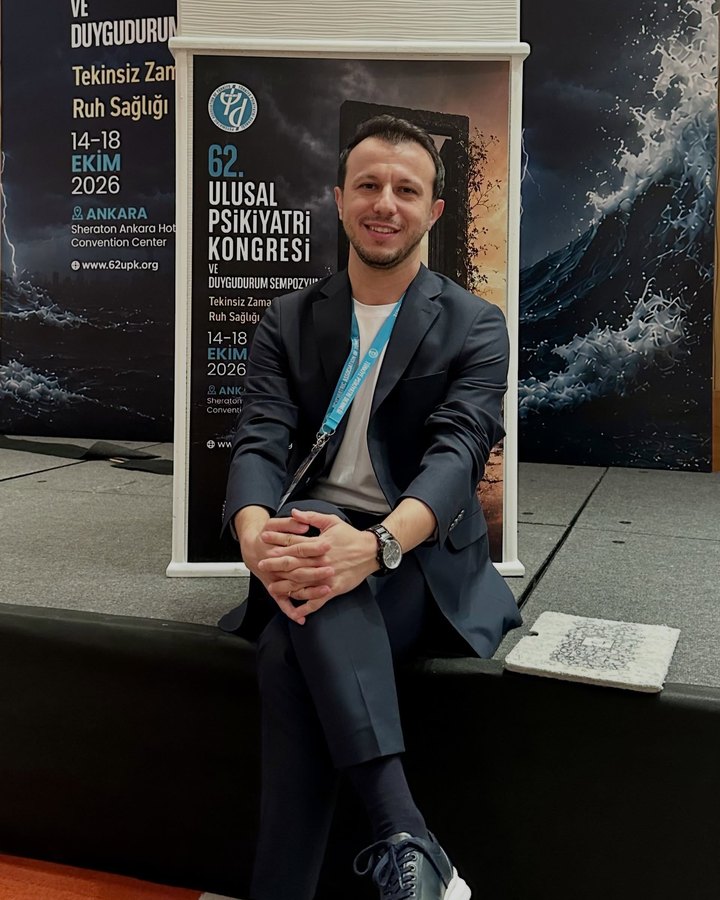


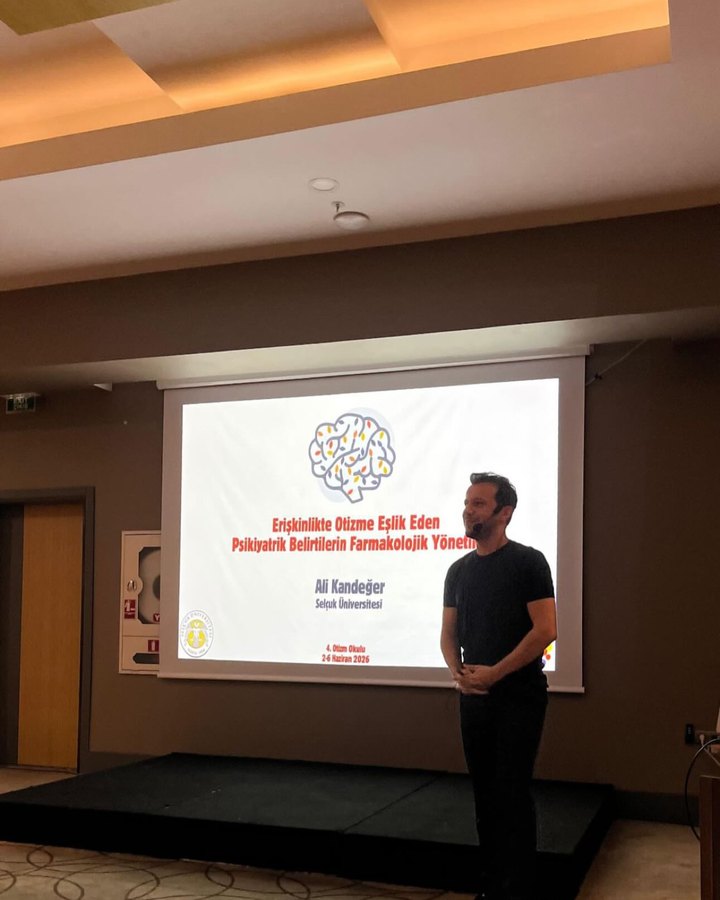
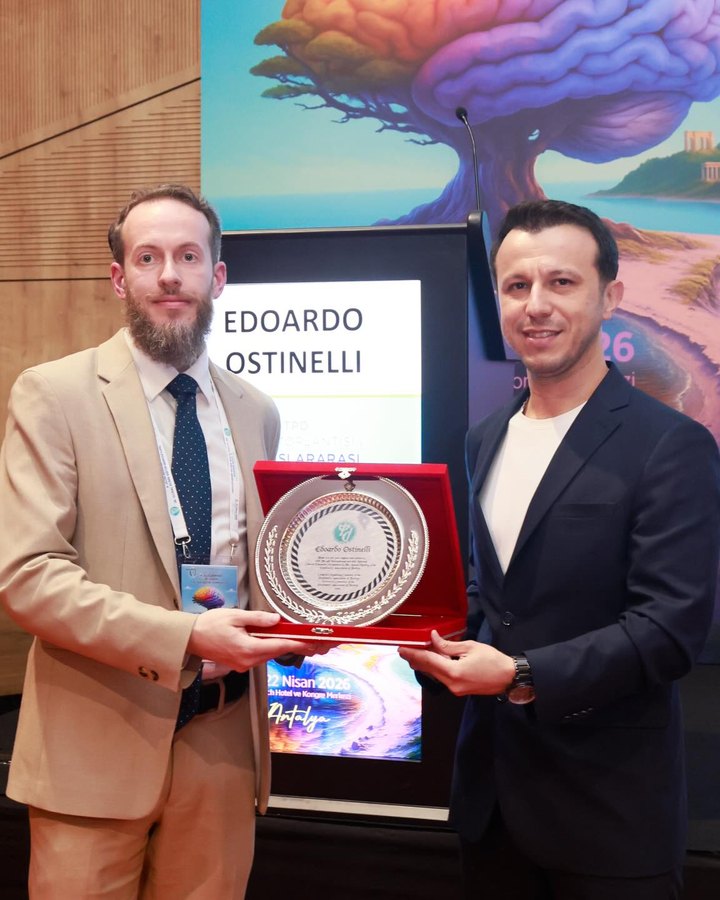
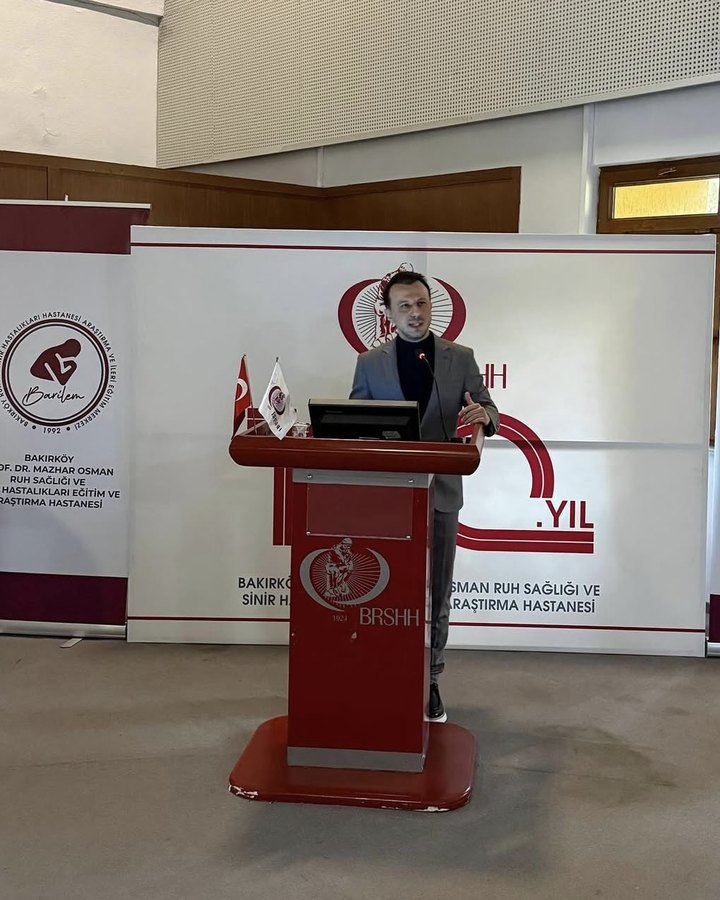
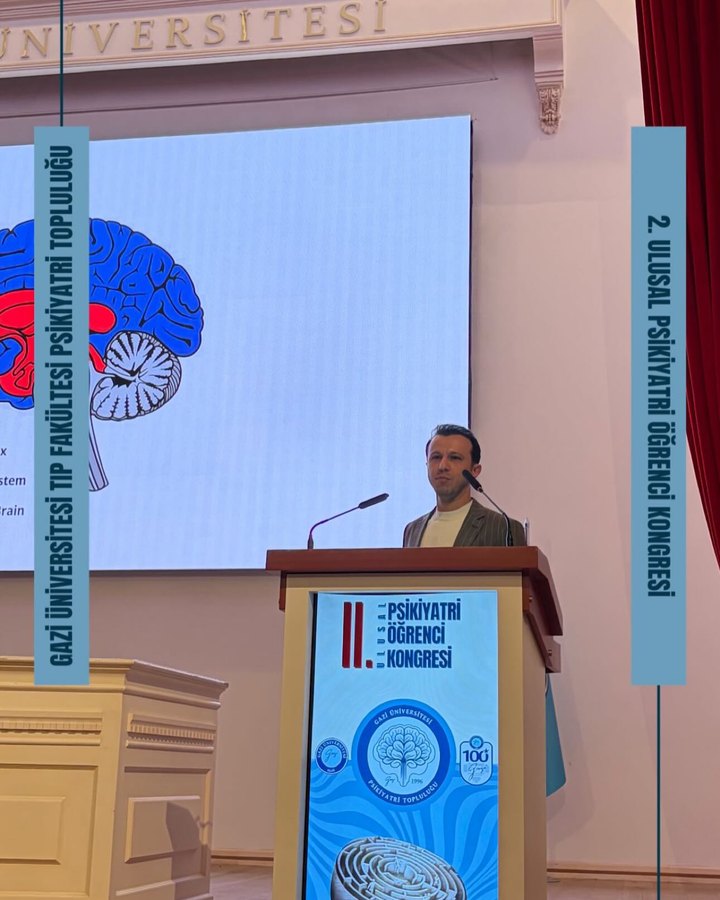

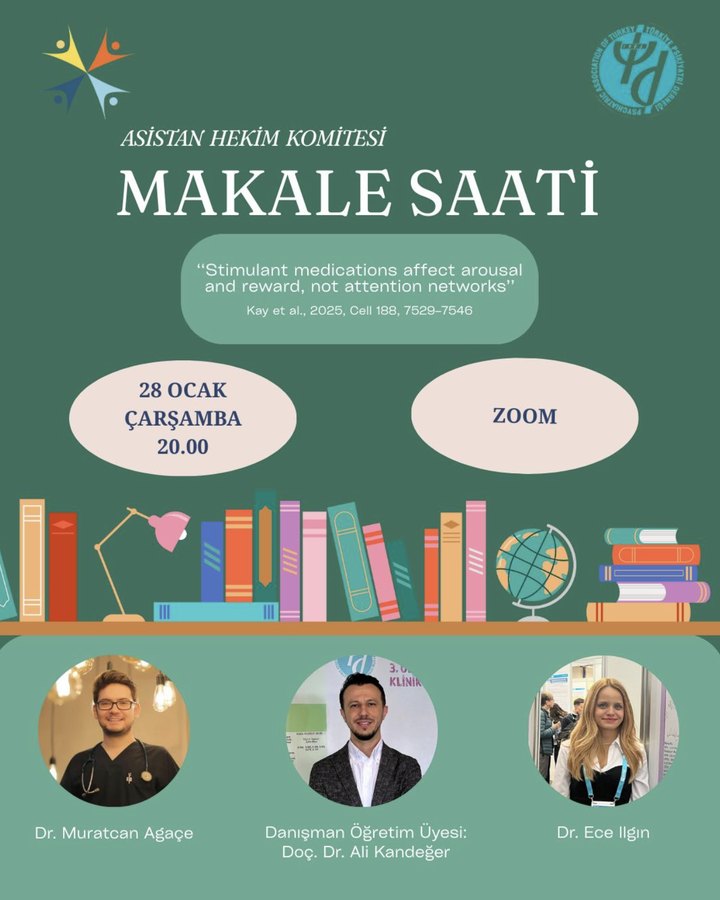
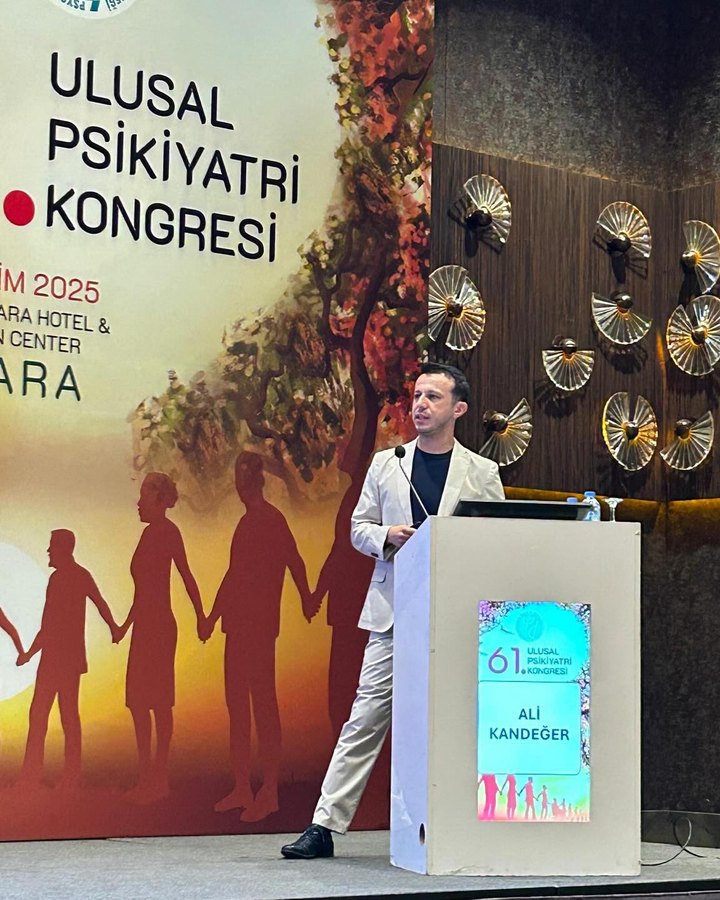

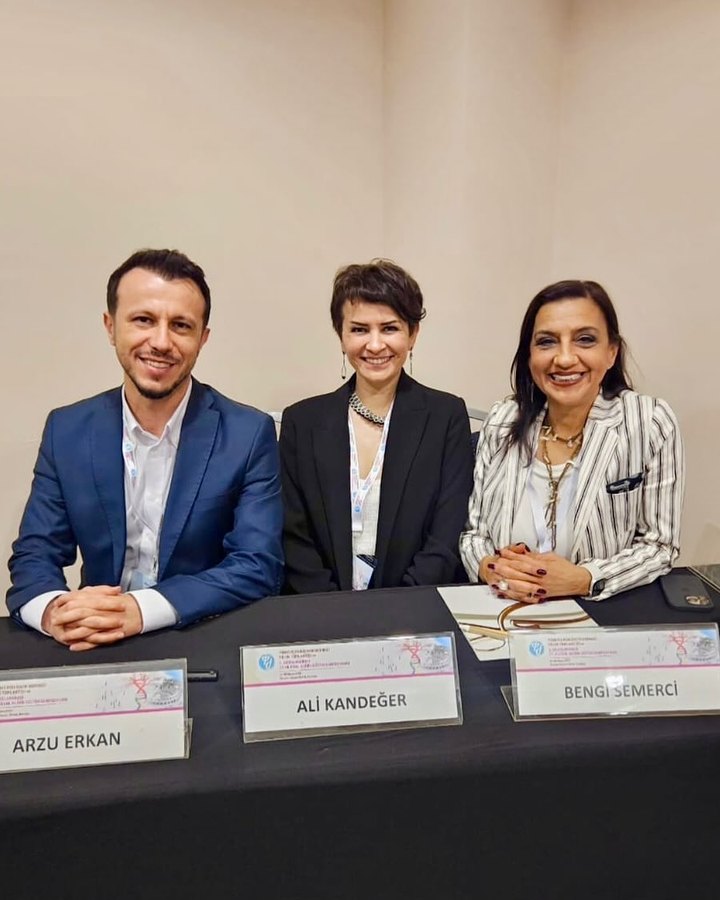
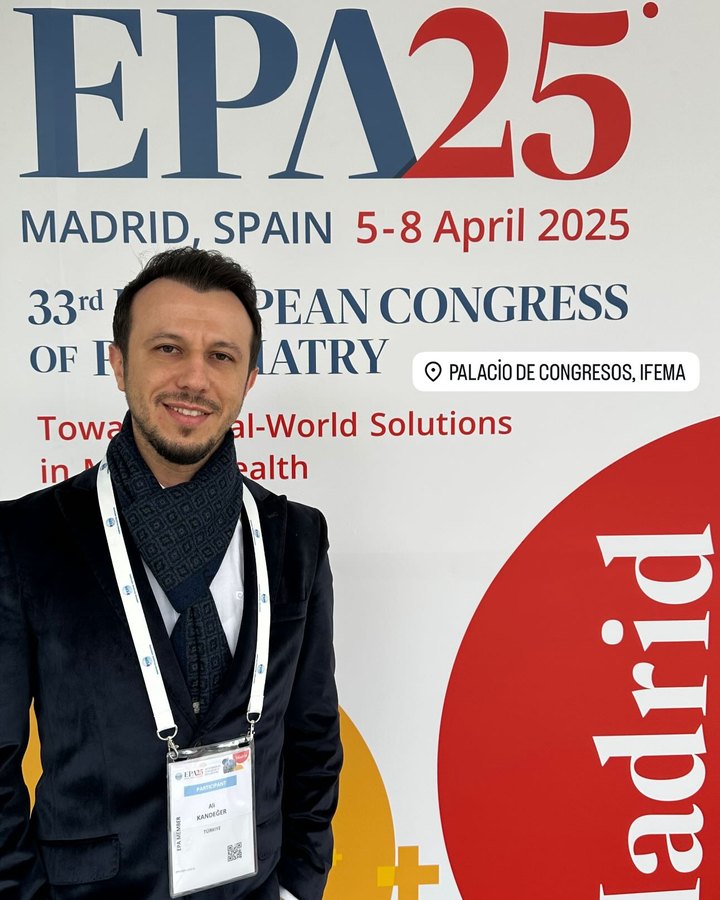
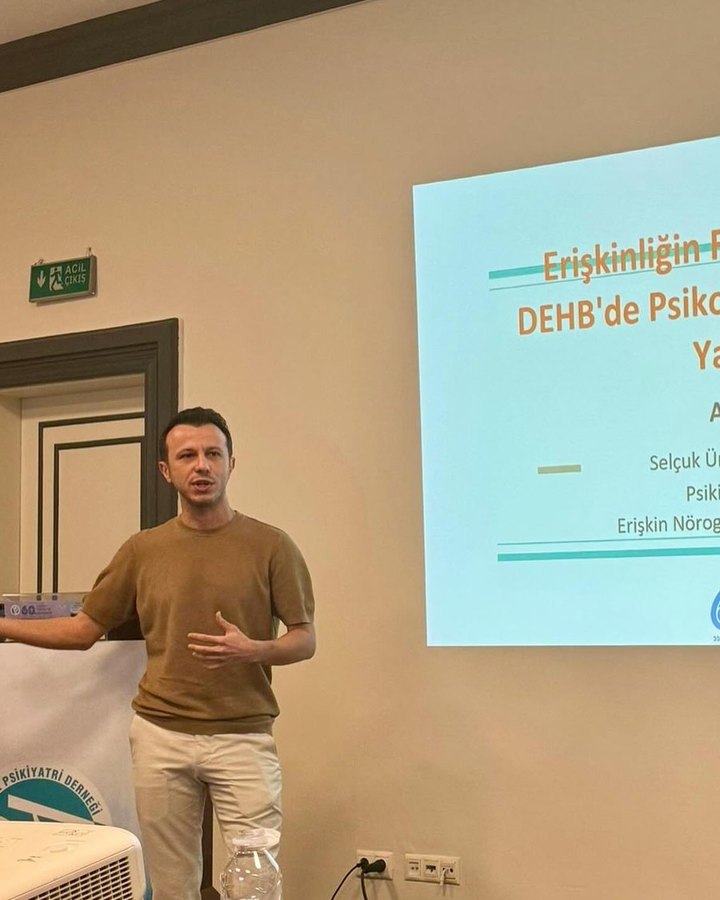
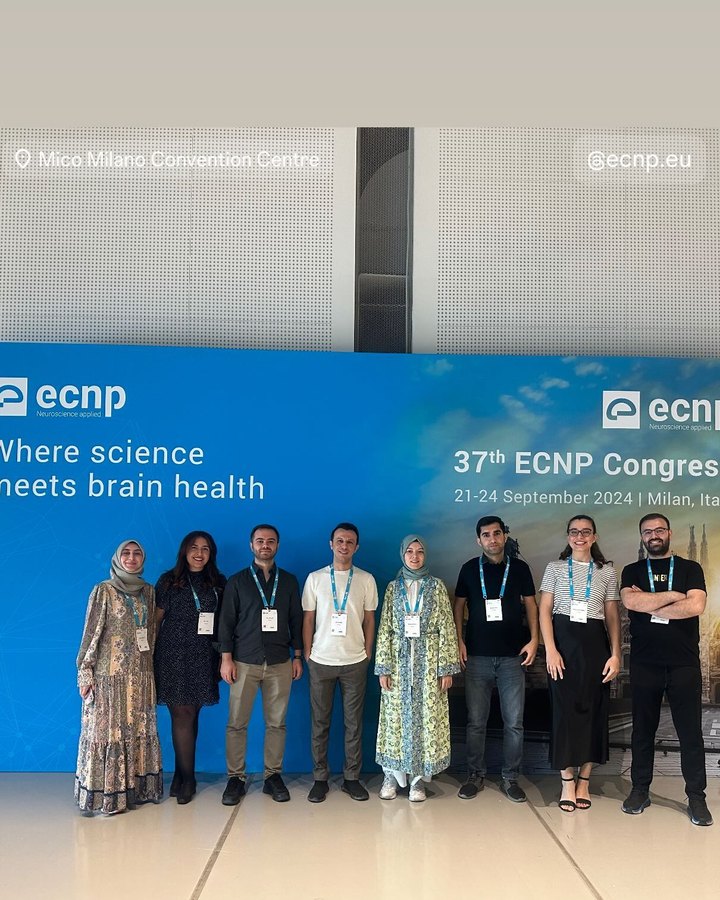
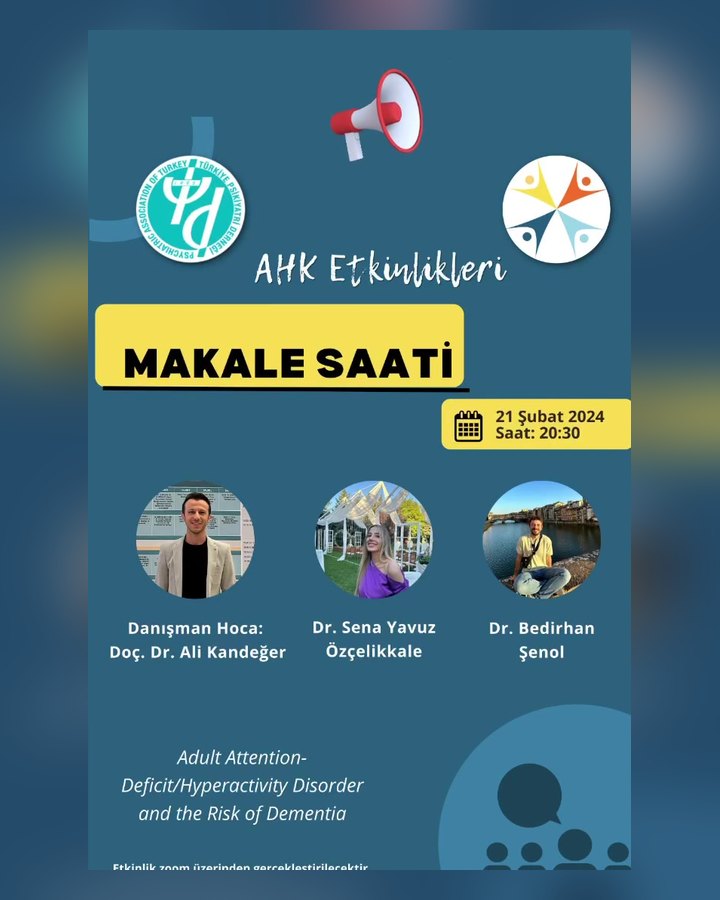

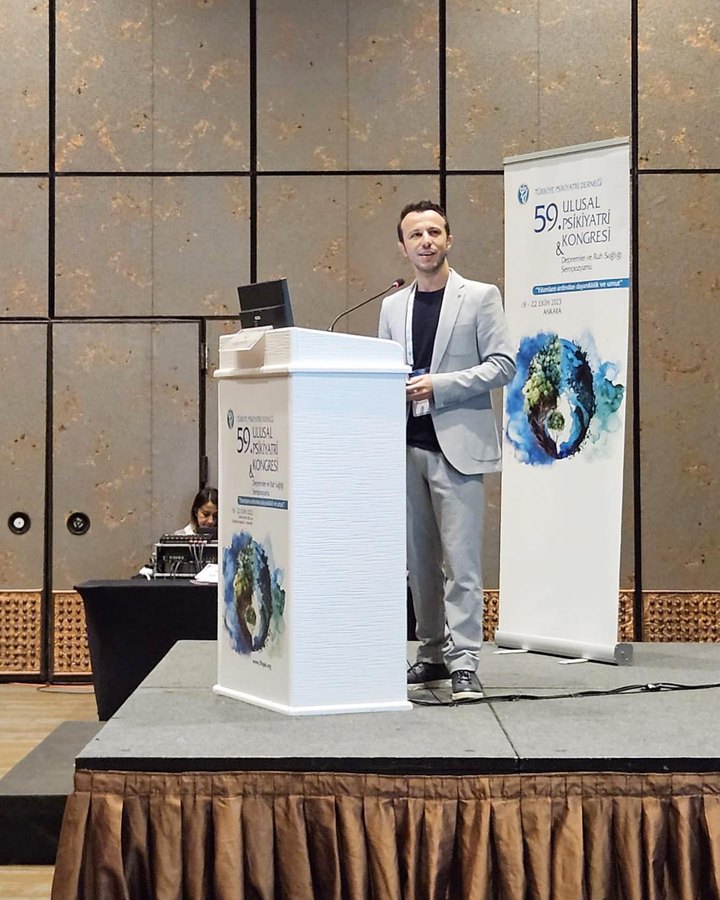
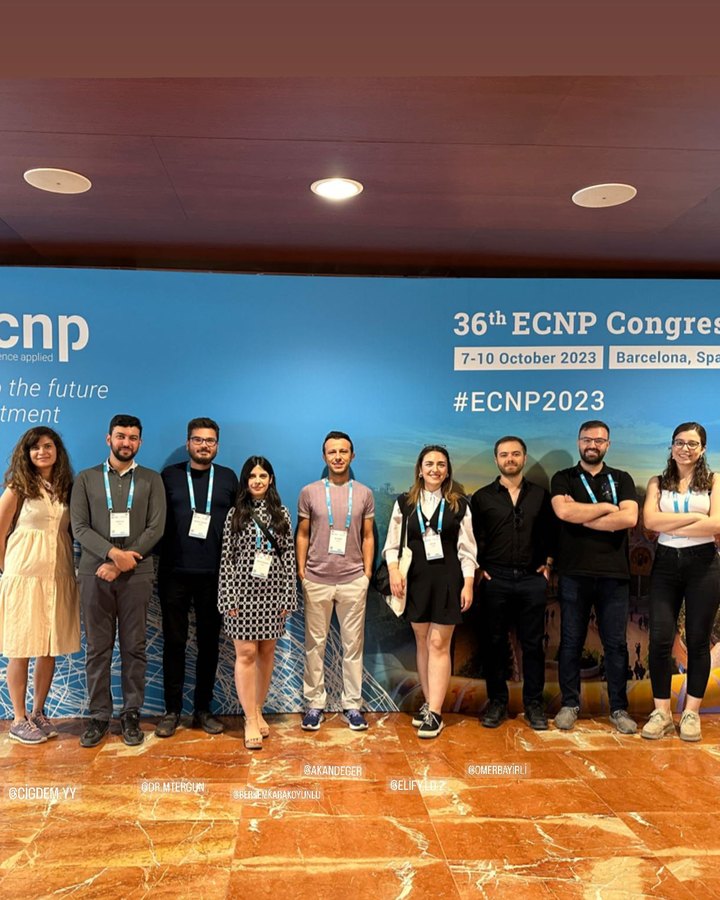
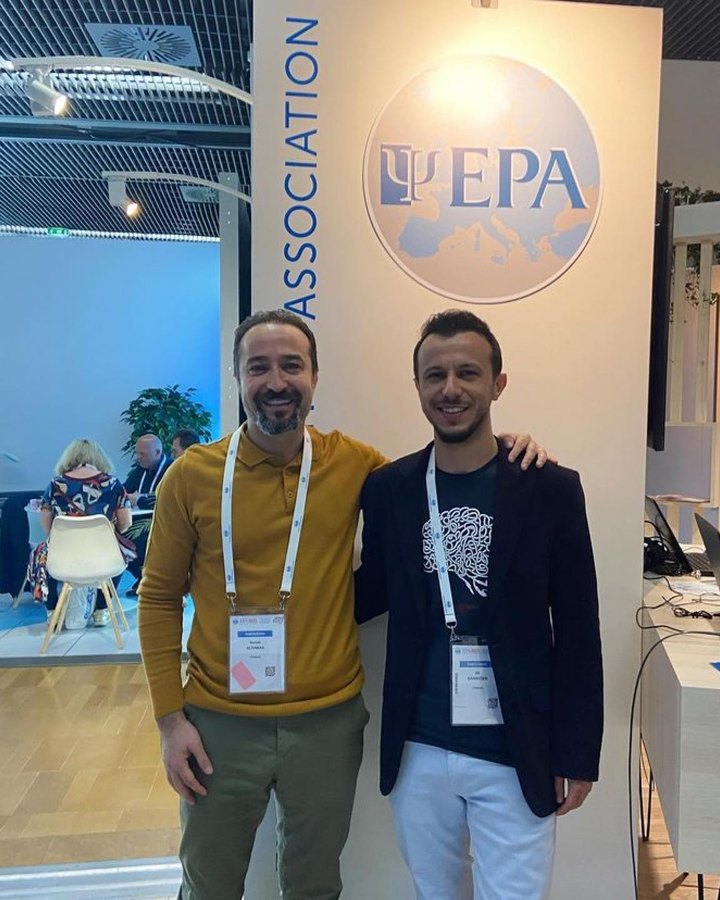

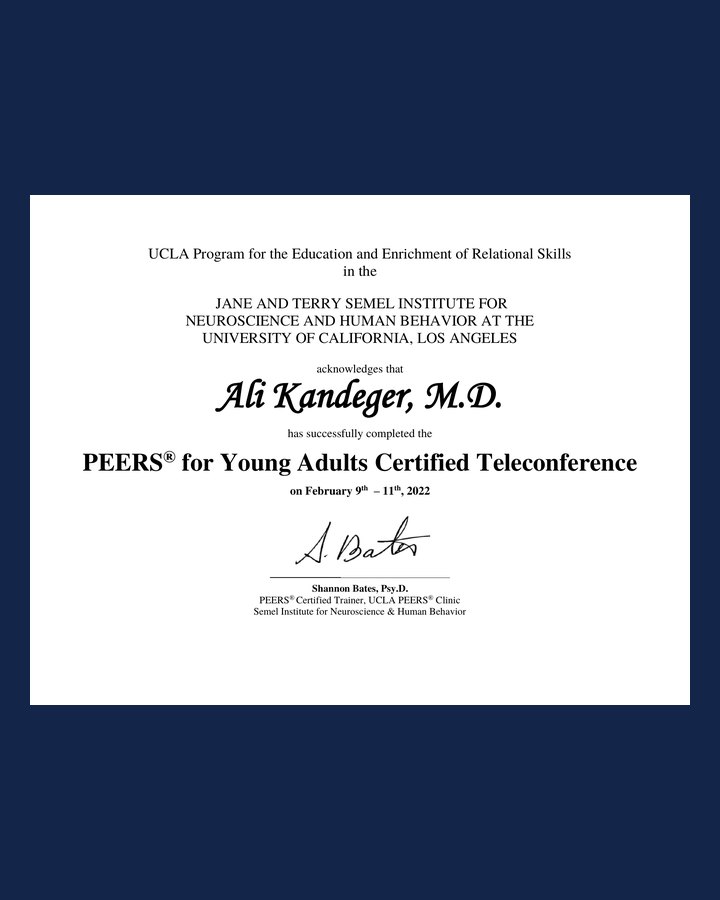
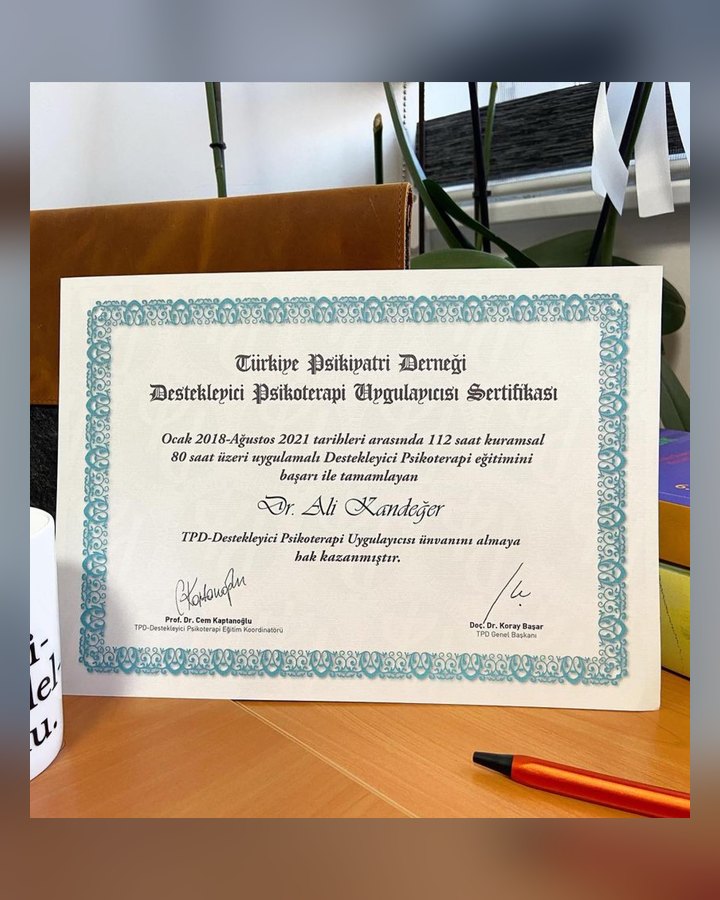

Assoc. Prof. Ali Kandeğer completed medical school and psychiatry residency at Selçuk University School of Medicine in Konya, Türkiye. After working as a consultant psychiatrist at Isparta City Hospital, he returned to Selçuk University in 2019 and became associate professor in 2022. In the Department of Psychiatry he leads the Adult Neurodevelopmental Disorders Clinic and, with child and adolescent psychiatry, a transition clinic for neurodevelopmental disorders, diagnosing and treating adults with ADHD, autism and other neurodevelopmental conditions. He practises dynamic supportive psychotherapy and cognitive behavioural therapy, and coordinates the Adult ADHD Work Unit of the Psychiatric Association of Türkiye.
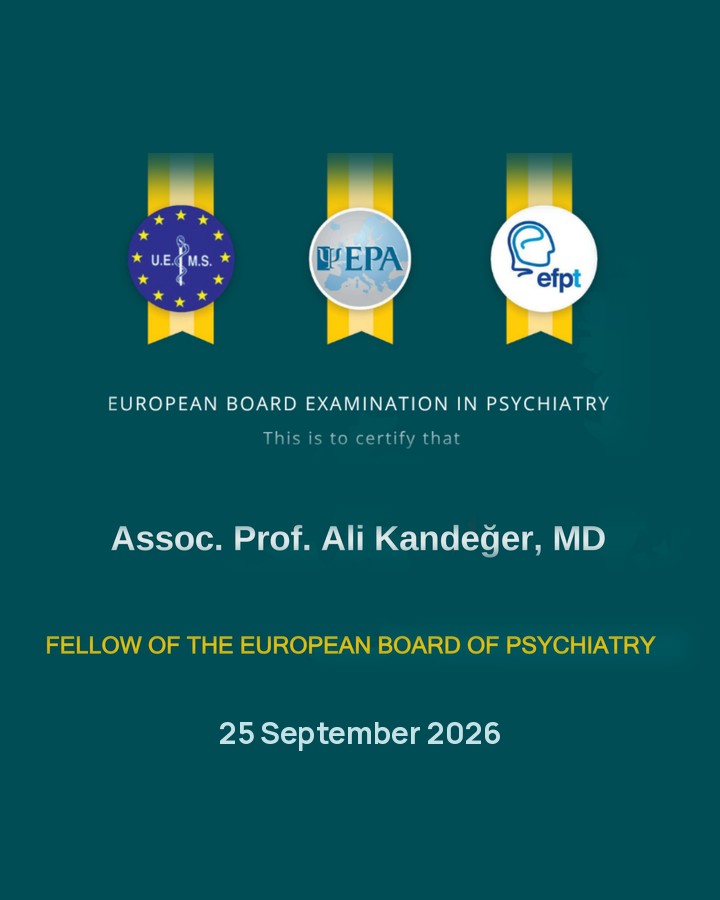
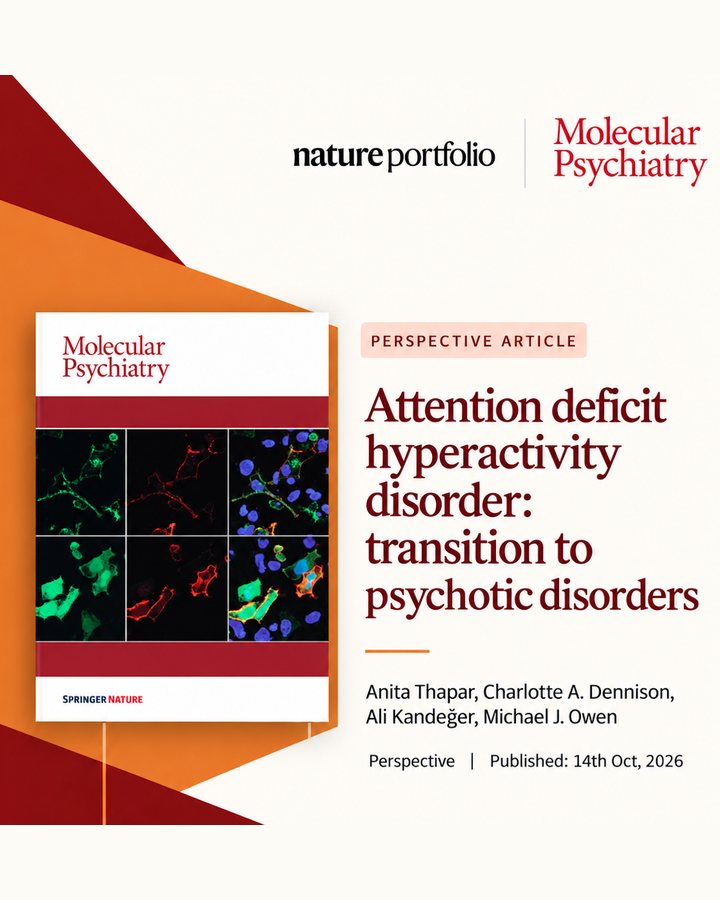
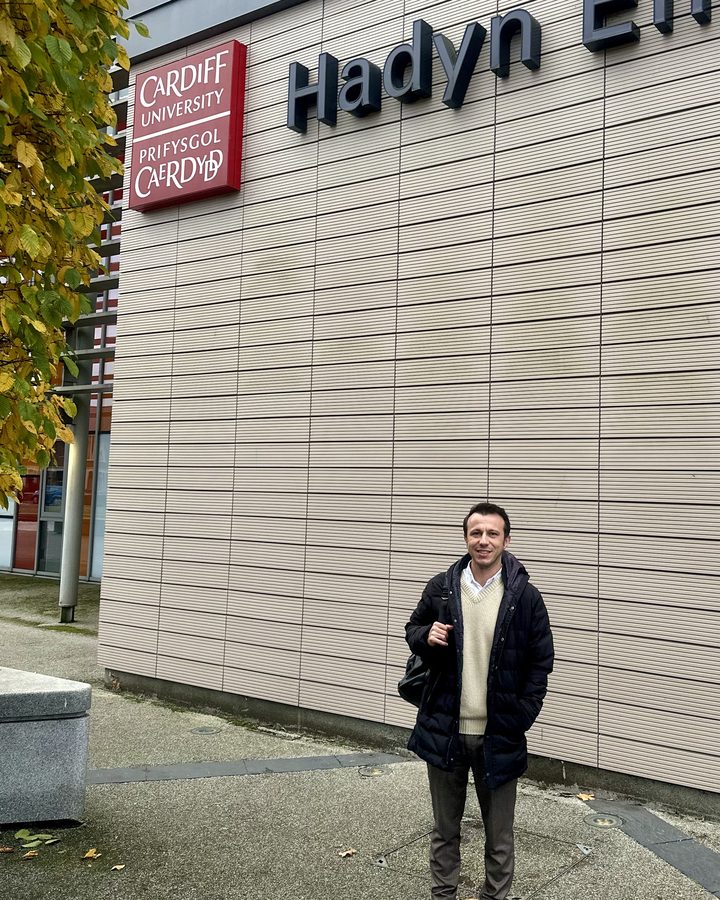
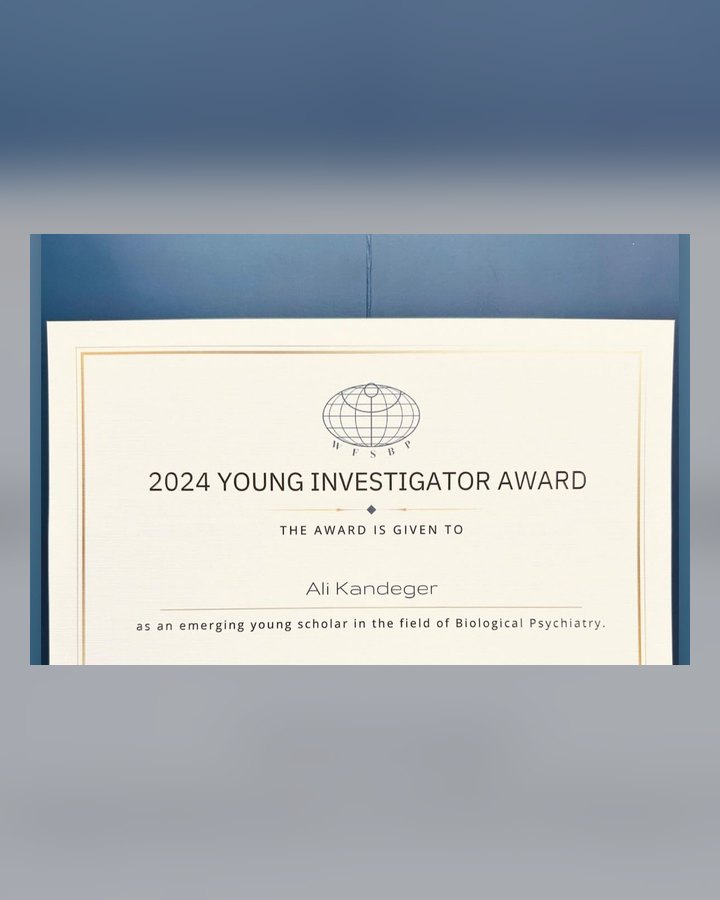
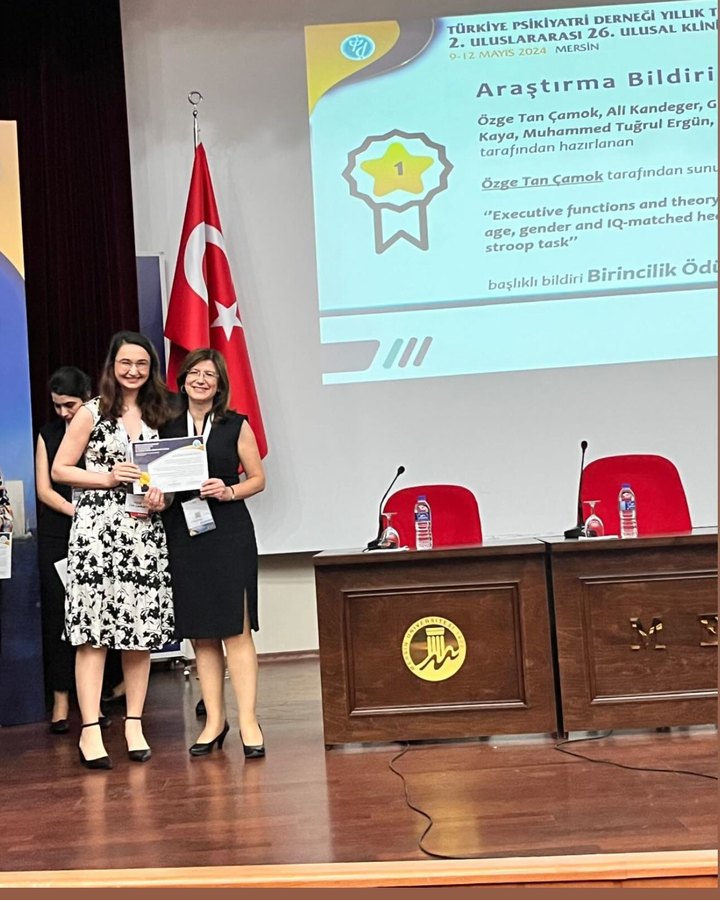
His national and international research has received several awards. In 2024 he was an academic visitor in Prof. Anita Thapar’s team at Cardiff University’s Division of Psychological Medicine and Clinical Neurosciences, a collaboration that continued with a joint paper in Molecular Psychiatry in 2026. He also carried out joint research with Prof. Simon Baron-Cohen and Carrie Allison at the Autism Research Centre, University of Cambridge. He is a member of the European Network Adult ADHD (ENAA) and contributed to the 2026 update of the World Federation of ADHD International Consensus Statement. In 2026 he passed the European Board Examination in Psychiatry and became a Fellow of the European Board of Psychiatry. He is completing an external PhD at Maastricht University on traumatic stress, dissociation and neurodevelopment in adults with ADHD.

The clinic has been part of the Department of Psychiatry at Selçuk University School of Medicine since 2021. Assessment combines a structured clinical interview (SCID-5-CV), developmental history, rating scales and, where needed, neurocognitive testing. Co-occurring conditions such as depression, anxiety, sleep problems and substance use are treated together.
Diagnostic assessment, treatment and follow-up for adults who were never diagnosed as children or whose symptoms continue into adult life.
Assessment of autistic traits first recognised in adulthood, and care for co-occurring anxiety, depression and social difficulties.
A model run jointly by child and adolescent psychiatry, adult psychiatry and child neurology, so that young people move into adult services without a gap in care.
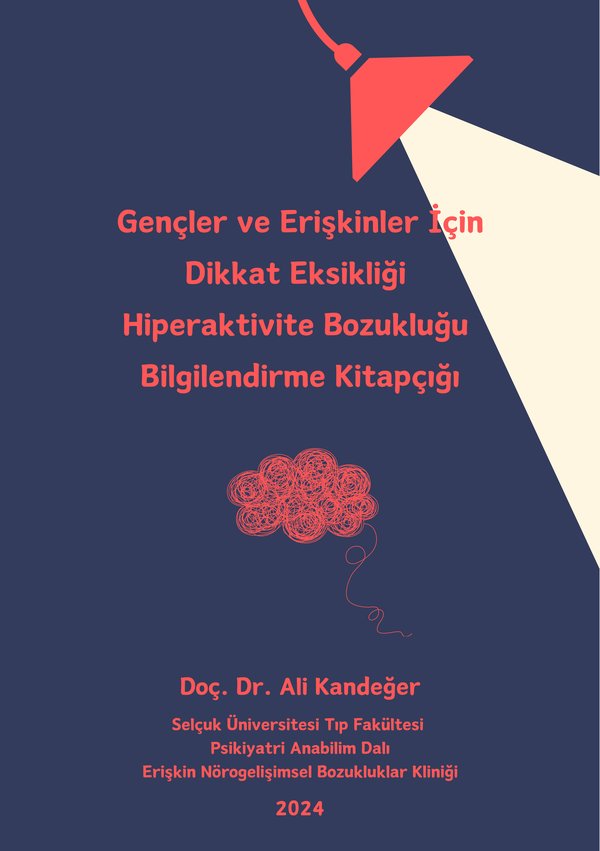
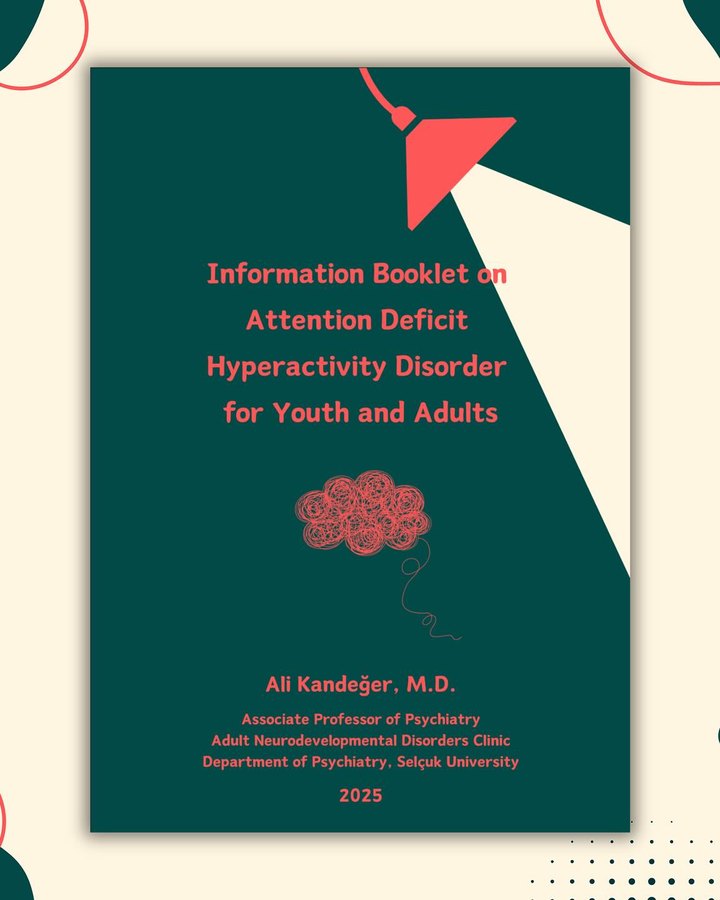
Free information booklets for young people, adults and their families, in Turkish and English.
Turkish · 2024
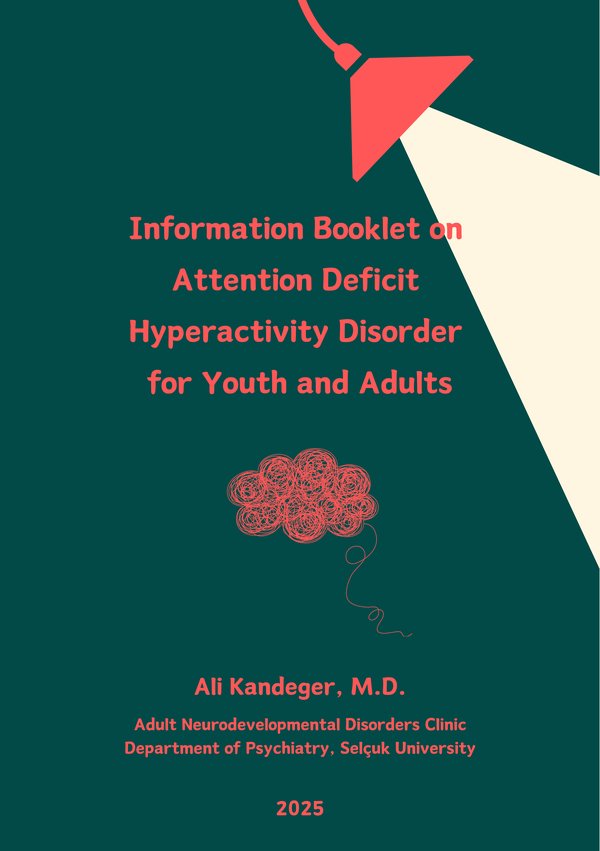
English · 2025
Short, referenced articles adapted from my Instagram series.
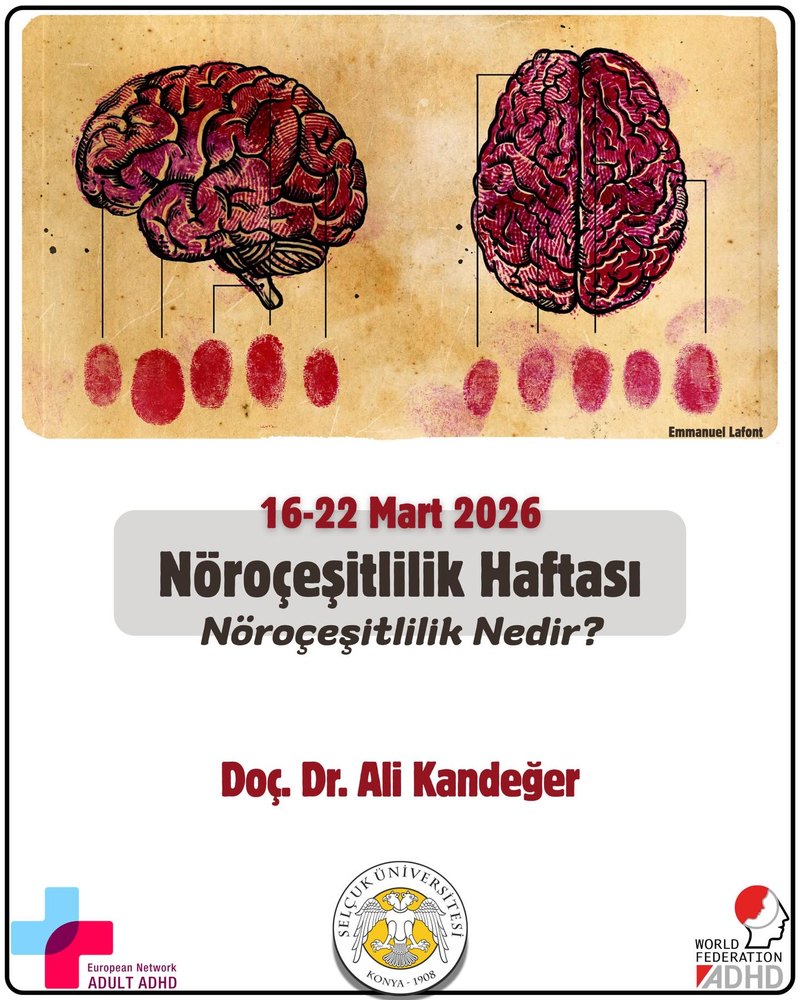
Neurodiversity Week · 16–22 March 2026
What the neurodiversity approach proposes, and how it sits alongside the idea of neurodevelopmental disorder.
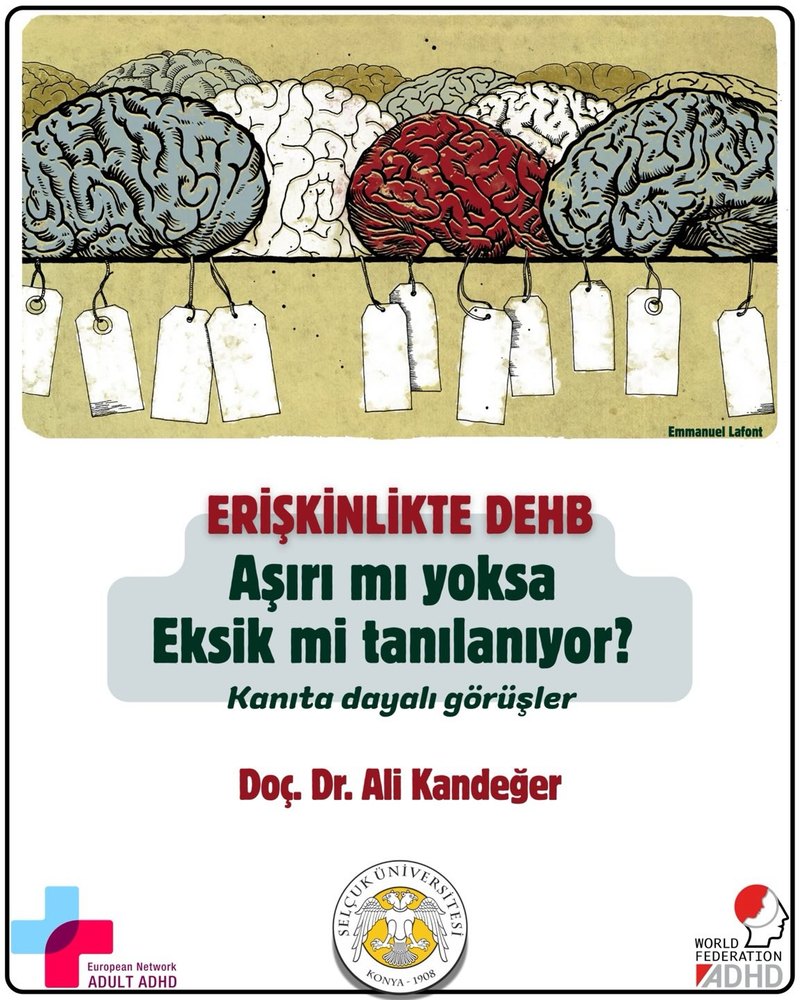
ADHD in adults · Evidence-based views
Recent evidence on rising diagnoses, self-diagnosis, attention problems that are not ADHD, and the real-world effects of treatment.
World Autism Awareness Day · 2 April
Autism begins in childhood and lasts a lifetime. Diagnosis in children keeps improving, while autism in adults is still often missed.
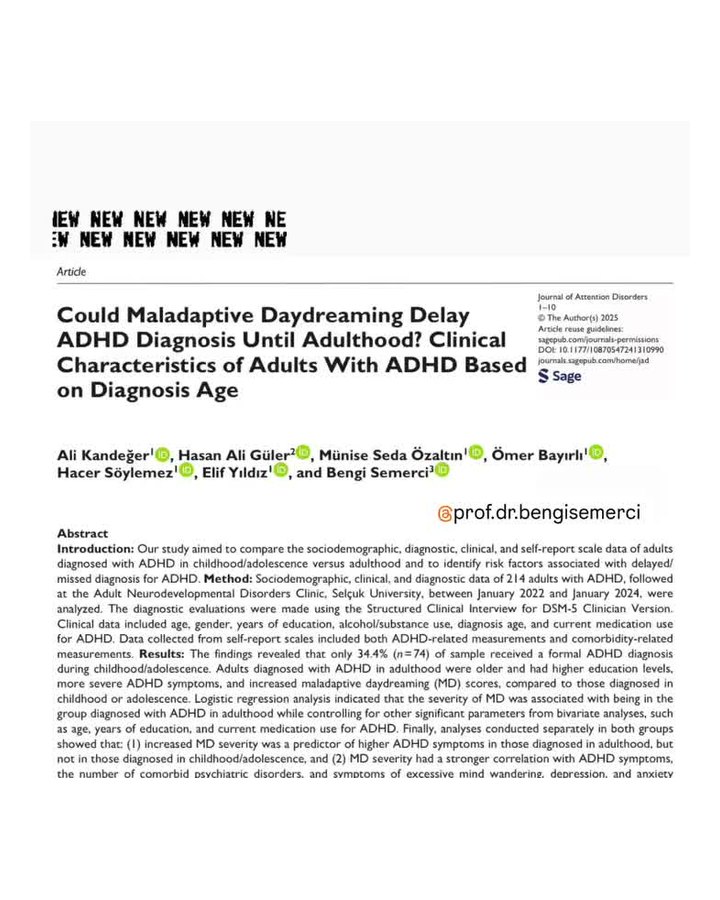
How excessive mind wandering and maladaptive daydreaming relate to symptoms, co-occurring anxiety and depression, and late diagnosis in adult ADHD. Turkish adaptations of the MEWS and MDS-16.
The role of childhood trauma and dissociative experiences in the persistence of ADHD symptoms into adulthood and in suicidal ideation.
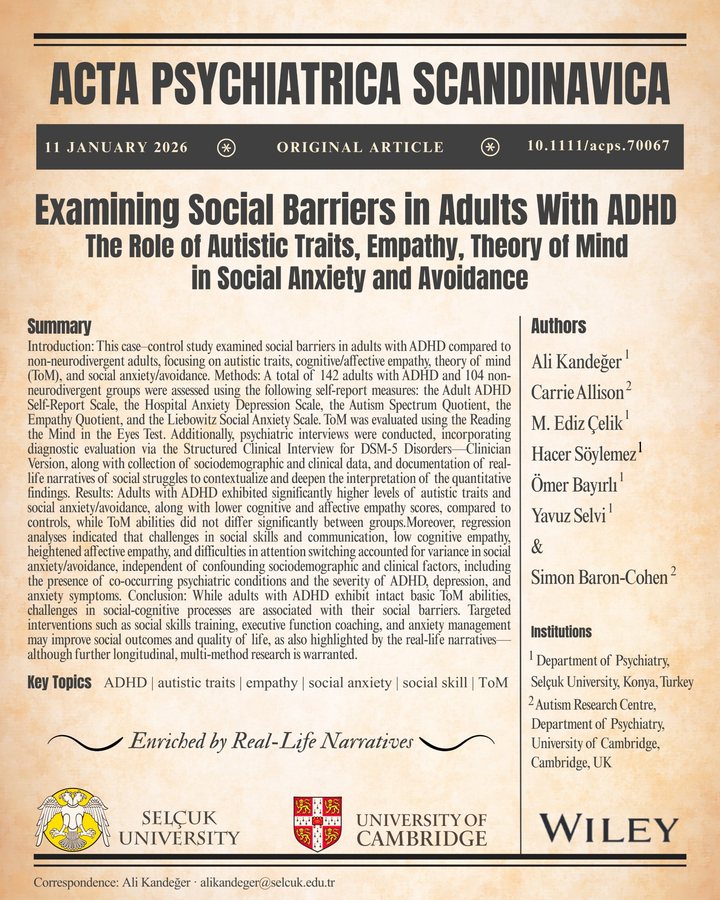
Autistic traits, empathy, theory of mind and social anxiety in adults with ADHD. The broad autism phenotype in parents of autistic children.
Synaptic and neuroimmune markers and executive functions in adult ADHD. Designed the first fMRI experiment at Selçuk University; task-based and resting-state fMRI studies are ongoing.
Continuity of care from adolescence to adulthood, and clinical monitoring of the risk of transition from ADHD to psychotic disorders.
How chronotype, sleep timing and night eating relate to impulsivity, eating behaviour and psychiatric symptoms.
Recruiting
Hormonal changes and ADHD symptoms in women
Qualitative study · Phone interview · 30–40 minutes · Ethics approved
55 journal articles and 6 book chapters, 40 indexed in PubMed.
Interviews, television, podcasts and video.
ADHD in adults: scientific evidence and current debates (in Turkish)
With Kumru Şerifova
Attention deficit in young people and adults (in Turkish)
Maladaptive daydreaming may mask ADHD symptoms, delaying diagnosis until adulthood
Coverage of our Journal of Attention Disorders paper
Adult ADHD: blind spots and current approaches
With Assoc. Prof. Eylem Özten and clinical psychologist Bedia Kalemzer Karaca
Why have ADHD diagnoses risen so much, and how does ADHD affect men and women differently? (in Turkish)
Report by Merve Karakaşka, with expert comment alongside Dr. Didem Sucullu Dikici
Sine-Mani is a film-reading series in the teaching programme of the Department of Psychiatry, Selçuk University School of Medicine. We watch a film together, then discuss its characters and story through psychiatric concepts.
Diagnostic or treatment advice is not provided by email, phone or WhatsApp.