Visual series
9 slides, in Turkish · Instagram
What is autism?
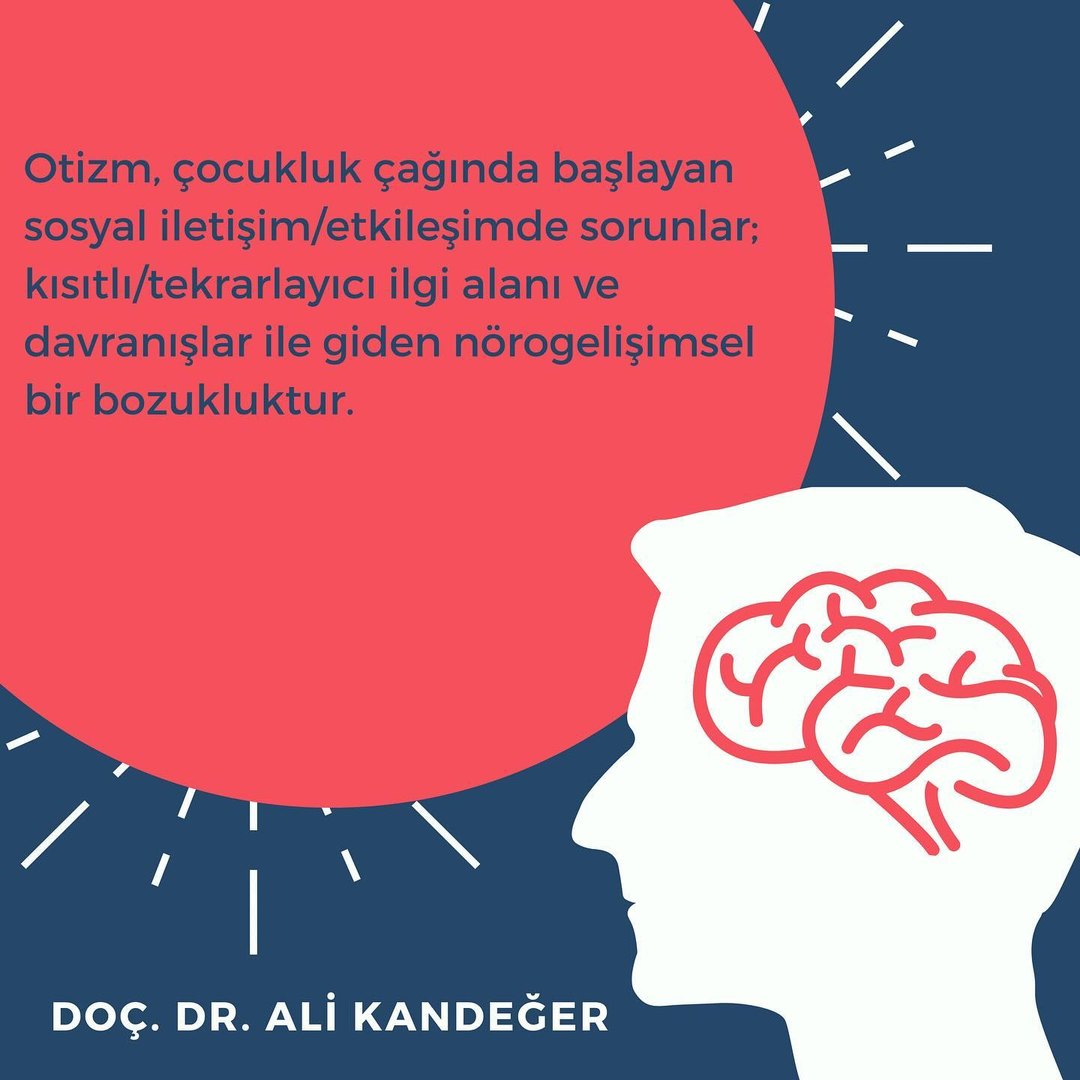
- Autism is a neurodevelopmental condition that begins in childhood, with difficulties in social communication and interaction and restricted, repetitive interests and behaviours.
- It is a spectrum: how it shows, and how much support a person needs, vary widely from one person to another.
More children are being diagnosed
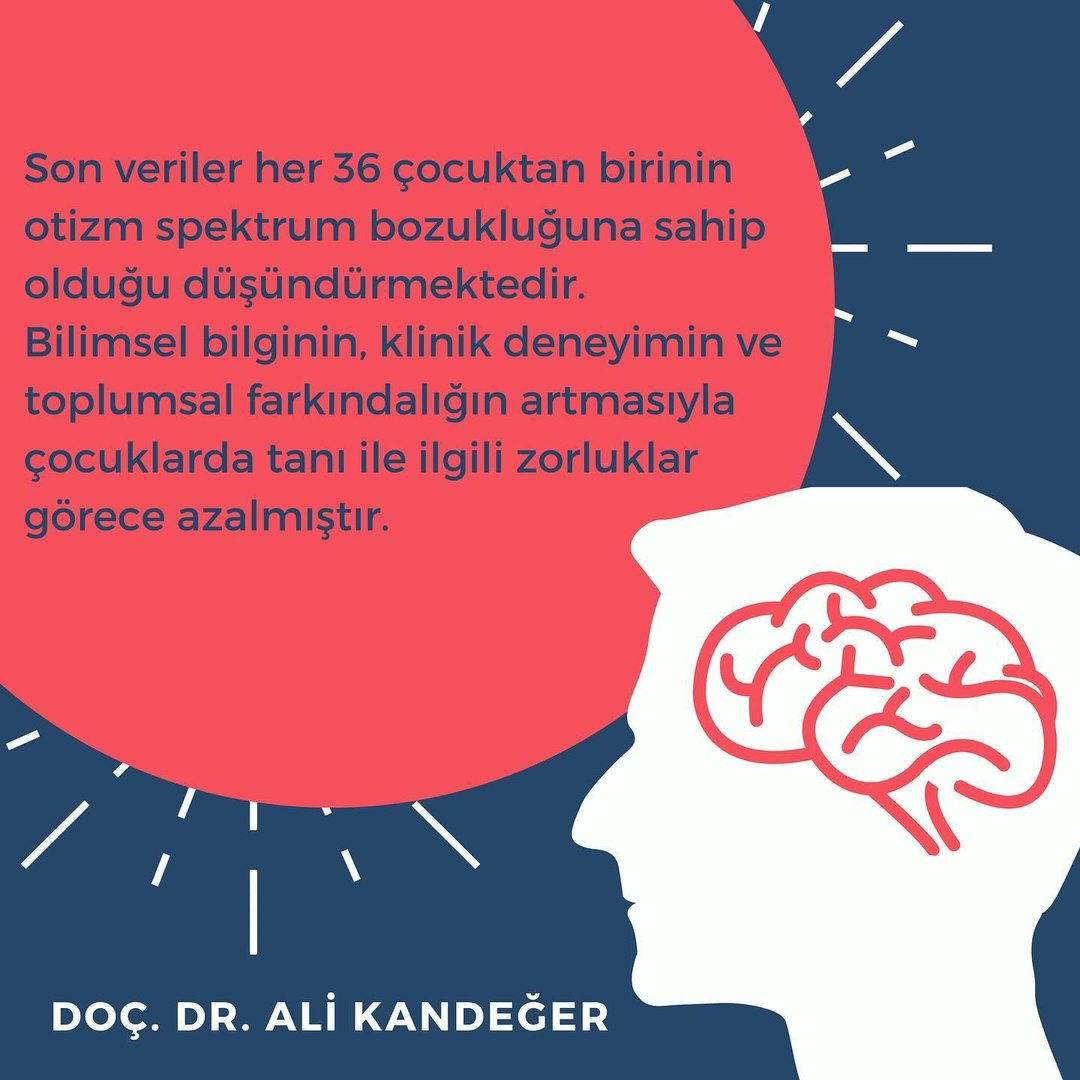
According to the latest US surveillance data, published in 2025, one in 31 eight-year-olds was identified with autism; the “one in 36” figure in the visual series came from the previous round. With growing scientific knowledge, clinical experience and public awareness, diagnosis in children has become relatively easier.
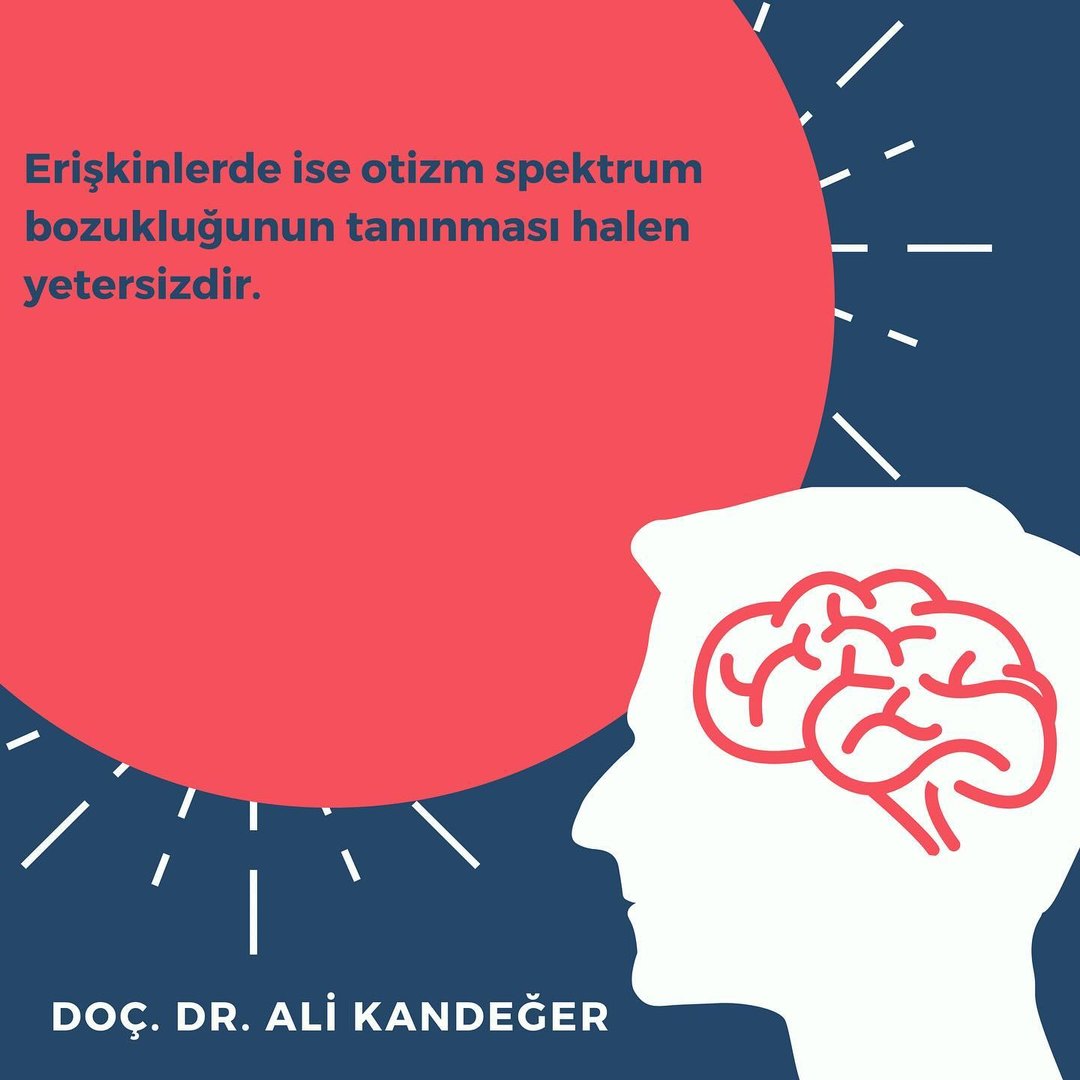
Autism in adults is still under-recognised
- A large gap by age
- In a study of English primary care records, one in 34 people aged 10–14 had an autism diagnosis, compared with one in 6,000 among those aged 70 and over.
- Undiagnosed adults
- The same study estimated that 59–72% of autistic people may still be undiagnosed.
- The cost of being missed
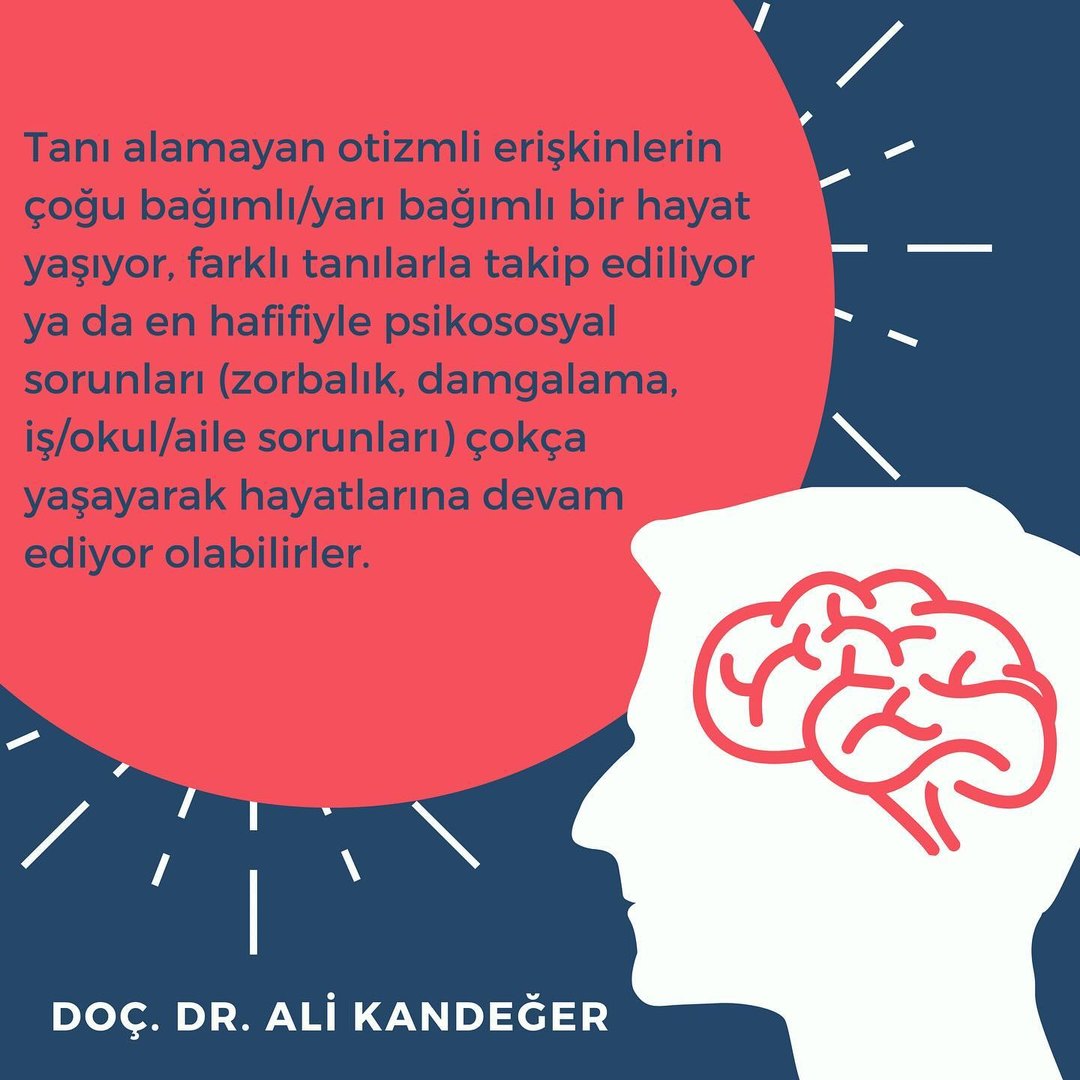
- Some autistic adults who were never diagnosed live dependent or semi-dependent lives, are followed under other diagnoses, or carry on with psychosocial difficulties such as bullying, stigma, and problems at work, school or home.
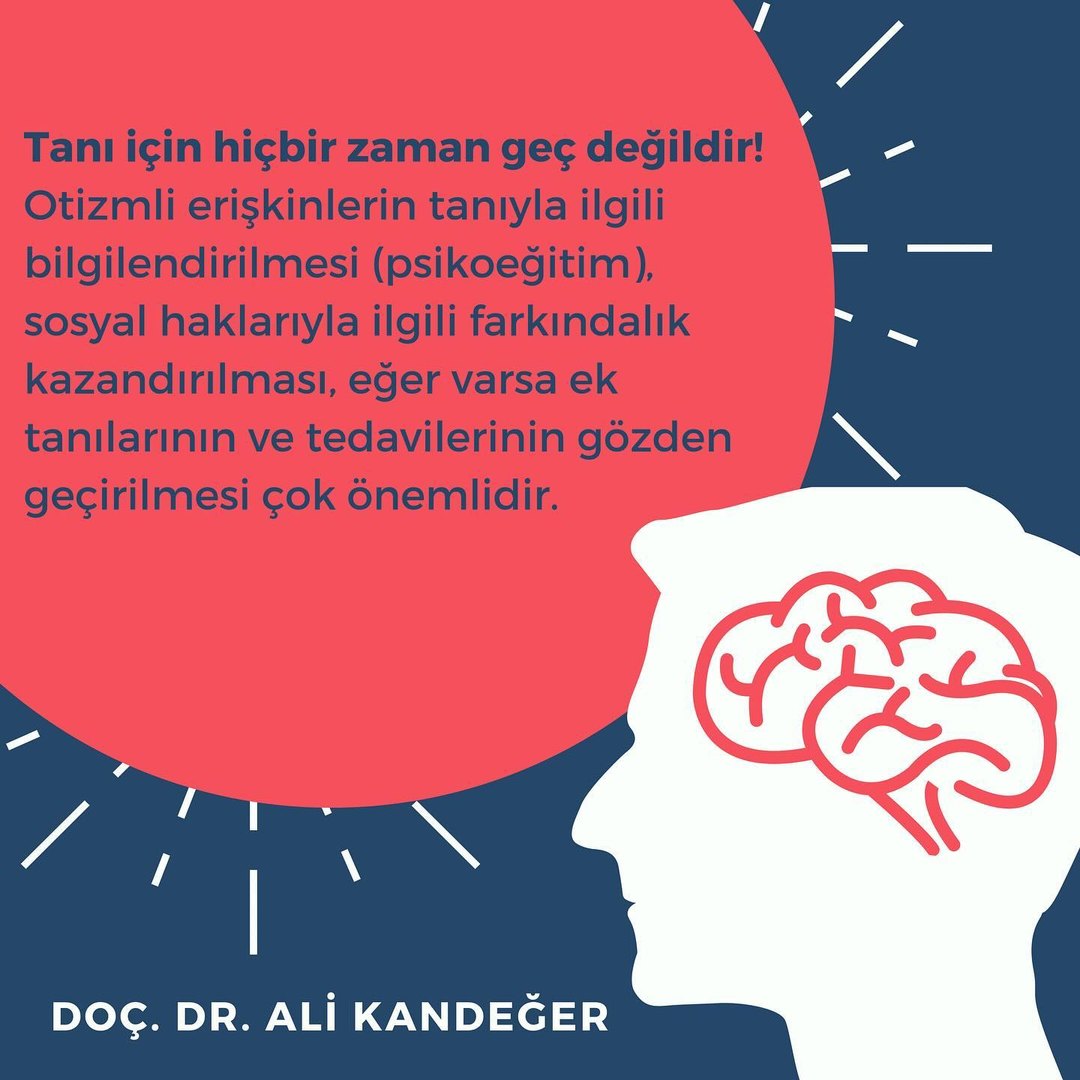
It is never too late for a diagnosis
After a diagnosis in adulthood, these steps matter a great deal:
- Information about the diagnosis (psychoeducation)
- Awareness of social rights and entitlements
- Reviewing co-occurring conditions and their treatment, where present
Evidence-based support
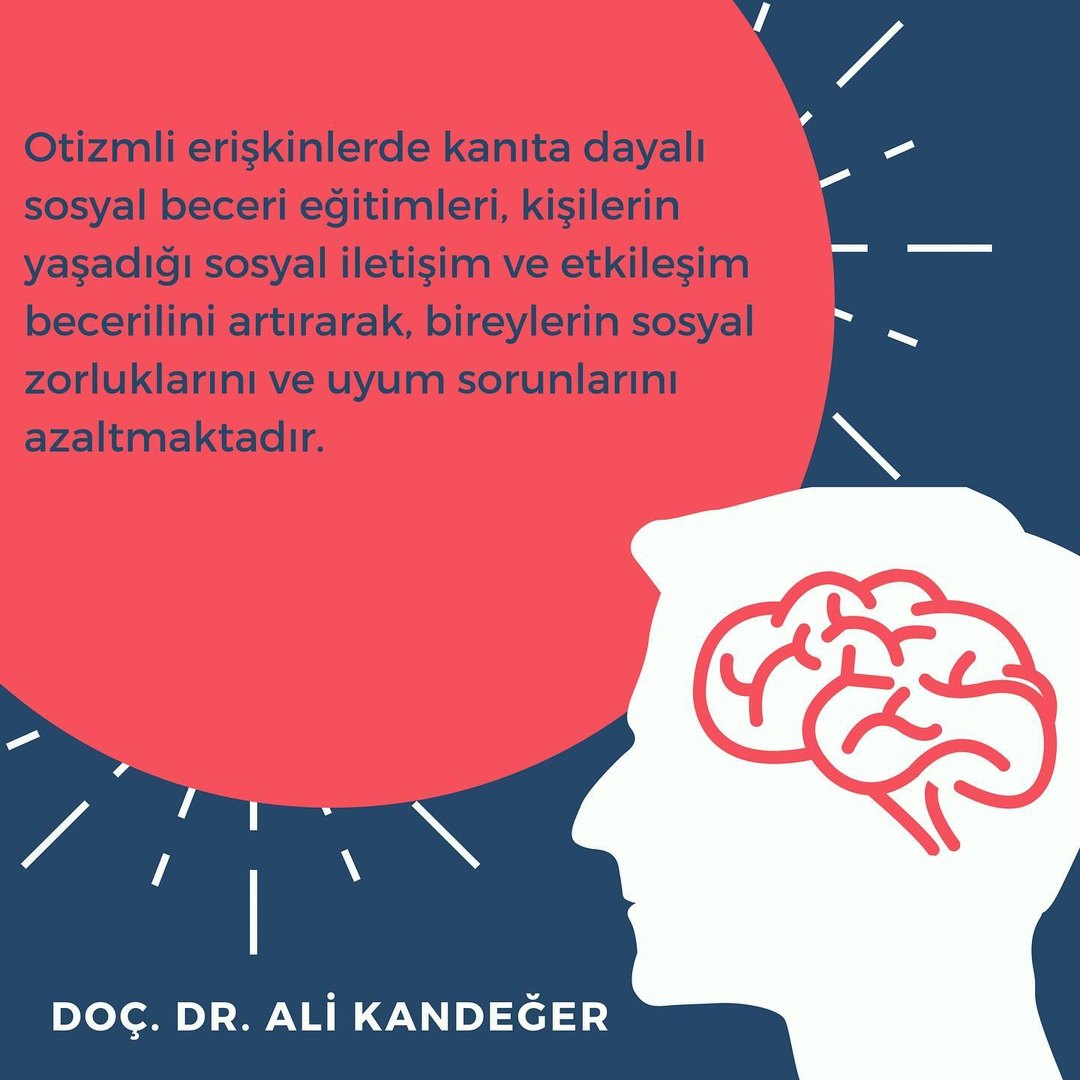
In autistic adults, evidence-based social skills training improves social communication and interaction and reduces social and adjustment difficulties. In a randomised controlled trial of the UCLA PEERS® programme for young adults, for example, social skills and social engagement improved, and most gains were maintained at follow-up.
Lifelong awareness
Adapted from an Instagram series (in Turkish). General information only; it does not replace a medical assessment.